Skip to Main Content
Browse Careers
Navy

Marine Systems Electrical Technician

Non-Commissioned Member | Full Time, Part Time

Priority Application Processing

Apply Now
Video 1 Thumbnail

DISCOVER

THE HIGH STAKES WORLD OF A MARINE SYSTEMS ELECTRICAL TECHNICIAN.

PREPARE

FOR A LOOK INSIDE THE SKILL, EXPERTISE AND DEDICATION BEHIND THE OCCUPATION.
Video 1 Thumbnail
Video 1 Thumbnail

JOIN

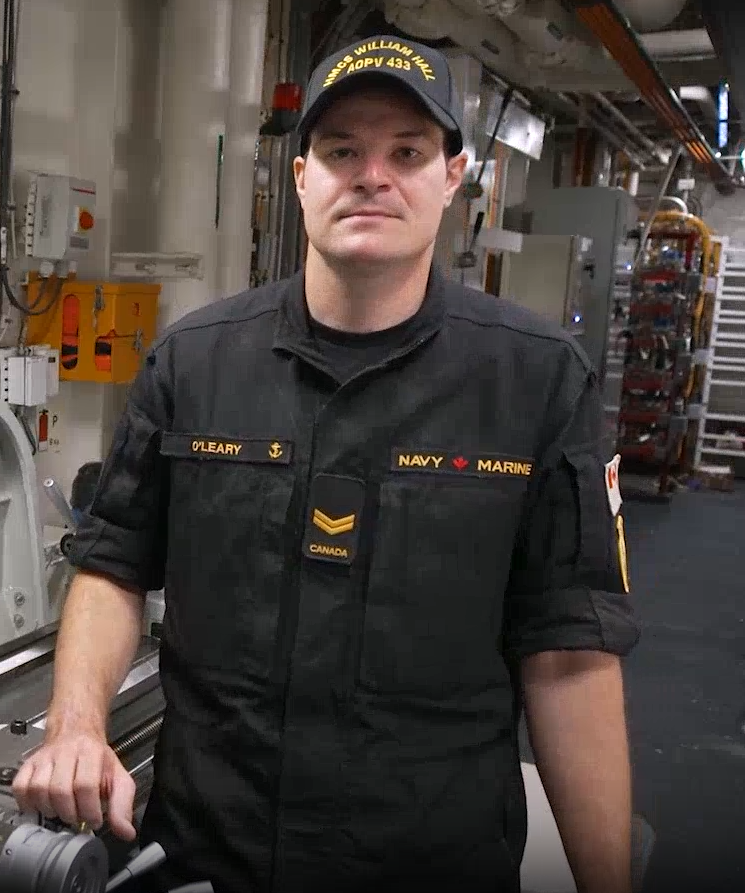
SAILOR 1ST CLASS DILLON O'LEARY AS THEY WALK YOU THROUGH A DAY IN THE LIFE. PLEASE NOTE MARINE TECHNICIAN HAS BEEN SPLIT INTO TWO OCCUPATIONS; MARINE SYSTEMS MECHANICAL TECHNICIAN AND MARINE SYSTEMS ELECTRICAL TECHNICIAN. THIS WALK AND TALK SHOWCASES ASPECTS OF BOTH OCCUPATIONS.

Overview

Please submit an application in the Online Applicant Portal under the previous occupation; Marine Technician, if you are interested in this occupation.

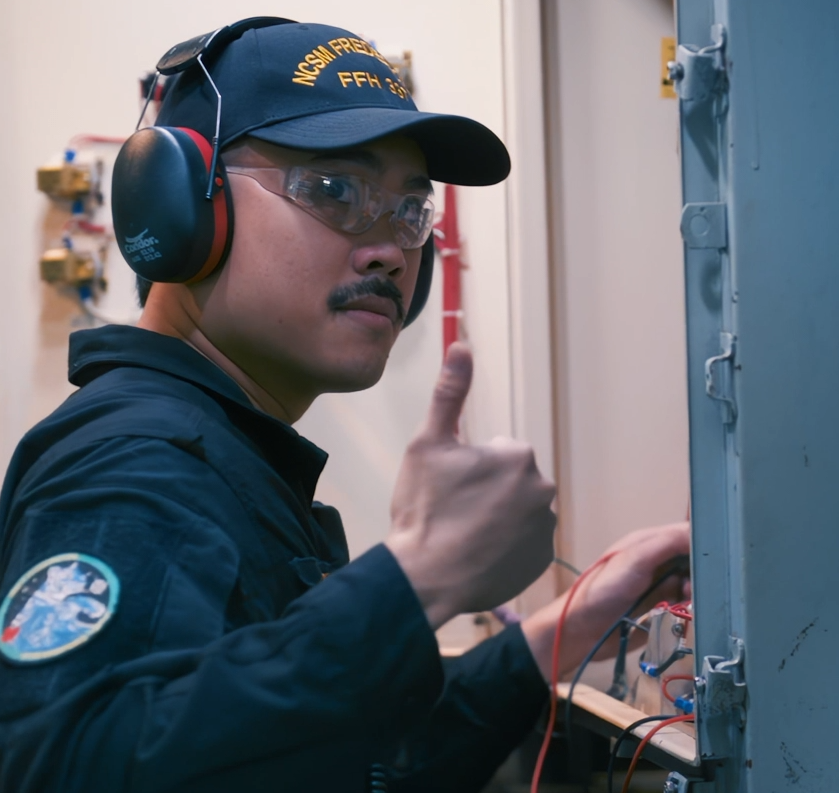
As a member of the military, Marine Systems Electrical Technicians (MSETs) are responsible for the operation and maintenance of electrical and control systems onboard  His Majesty's Canadian (HMC) Ships and Submarines. They also can be employed at shore repair and naval technical training facilities to support fleet activities. Initially, MSETs operate and maintain all marine systems engineering equipment onboard ship at the apprentice level.

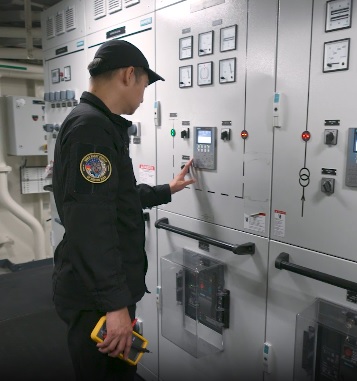
MSETs are members of a ship’s engineering department responsible for the operation, maintenance, and supervision of electrical and control systems at sea. They maintain, operate, and monitor electrical and electronic equipment associated with the ship’s power generation, ancillary and auxiliary engineering systems and propulsion systems. They are also called upon to operate and monitor a ship’s mechanical and electrical equipment.

MSETs monitor, operate and maintain the electrical machinery for the following:

Shipboard Power Generation & Distribution

  • Main and emergency switchboards
  • Ungrounded/isolated shipboard electrical systems
  • Diesel and gas‑turbine generator systems
  • Generator synchronization & load sharing
  • Automatic voltage regulators (AVR)
  • Shore power connection systems
  • Transformers, circuit breakers, disconnects

Propulsion & Auxiliary Machinery Electrical Systems

  • Electric propulsion motors (AC, synchronous, PM)
  • Thruster systems (bow/stern)
  • Variable pitch propeller control systems
  • Steering gear electrical systems
  • Ballast & bilge pump controls
  • Stabilizer control systems
  • Motor control centres (MCCs)

Marine Automation & Control Systems

  • Integrated Automation System (IAS) / IPMS
  • PLCs, I/O modules, and marine HMI systems
  • Alarm and Monitoring Systems (AMS)
  • Engine Control Room (ECR) systems
  • Navigation light panel control systems 

Motors & Drive Systems

  • AC/DC motors
  • VFDs & soft starters
  • Servo drives
  • Motor protection relays
  • Motor testing & troubleshooting

Shipboard Instrumentation & Sensors

  • Pressure, temperature, flow, and level transmitters
  • 4–20 mA loops and signal conditioning
  • Tank sounding systems (pneumatic, capacitance, sonar)
  • Shaft torque/power meters
  • Fuel & lube oil monitoring instruments

Safety, Survivability & Hazardous Areas

  • SOLAS-compliant emergency circuits
  • Fire detection & suppression control systems
  • Watertight door electrical systems
  • EX / IECEx marine-rated electrical equipment
  • Marine-rated junction boxes, glands, and penetrations
  • Ground fault detection in isolated systems

Marine Electrical Installation Practices

  • Marine-rated cables (LSZH, tinned copper, etc.)
  • Cable trays, hangers, and naval conduit systems
  • Cable dressing for vibration & moisture resistance
  • Bulkhead and deck penetrations
  • Bonding, earthing, and continuity systems
  • Corrosion prevention and ICCP systems

Protective Devices & Electrical Safety

  • Overload, ground fault, and short‑circuit protection
  • Arc‑flash mitigation equipment (shipboard rated)
  • Emergency stop and interlock systems
  • Lockout/Tagout (marine procedures where applicable)

Industrial/Marine Networking & Communication Protocols

  • Modbus RTU/TCP
  • Profibus / Profinet
  • CAN bus (common in engines & thrusters)
  • Ethernet/IP (where used in hybrid/modern vessels)
  • Fiber optic shipboard networks

Technical Drawings & Documentation

  • Electrical schematics & wiring diagrams
  • Single-line and three-line diagrams
  • P&IDs for machinery spaces
  • Cable schedule interpretation
  • Marine classification drawings (ABS, Lloyd’s, DNV)

Testing, Troubleshooting & Diagnostics

  • Multimeters, clamp meters
  • Megger insulation testing (ungrounded systems)
  • Earth fault tracing systems
  • Loop calibrators (for instrumentation)
  • Thermal imaging for machinery spaces
  • Oscilloscopes for drives & control signals

In addition, MSETs will read and interpret engineering sketches and drawings, including electrical and electronic drawings.

Work environment

MSETs spend much of their career on board ships based in either Halifax, Nova Scotia, or Esquimalt, British Columbia. Their duties can include repairing or maintaining equipment and participating in ship‑wide evolutions such as fueling both at sea and alongside. While at sea, all members of the ship’s company stand watch in shifts. When the ship is alongside, MSETs typically work a regular day‑shift schedule.

In addition to their primary duties, junior MSETs may spend time working outside their occupation performing general duties such as cleaning, painting, working in the cafeteria or loading supplies.

Related Civilian Occupations

  • Marine Electrical Technician
  • Hydro Power Station Operator
  • Marine Equipment Electrician
  • Commercial Electrician

Training

The first stage of training is the Basic Military Qualification course, or Basic Training, held at the Canadian Forces Leadership and Recruit School in Saint-Jean-sur-Richelieu, Quebec. This training provides the basic core skills and knowledge common to all trades in the CAF. One of the goals of this course is to ensure that all recruits maintain the Forces physical fitness standard; as a result, the training is physically demanding.

Learn more about Basic Training here.

MSETs attend Naval Fleet School Pacific in Esquimalt, British Columbia or Naval Fleet School Atlantic in Halifax, Nova Scotia. Training takes three months and includes:

  • Basic mechanical, electrical and hull systems theory
  • Basic preventive and corrective maintenance for marine systems
  • The conduct of propulsion and ancillary engineering rounds
  • Equipment flash-up and shut-down procedures
  • Basic emergency responses to equipment failures
  • Repair of watertight and non-watertight closures

Following this initial in class training, MSETs will be posted to a ship to complete a hands-on training package and begin implementing the training they've received in real life scenarios.

MSETs may be offered the opportunity to develop specialized skills through formal courses and/or on-the-job training, including:

  • Integrated Platform Management Systems (IPMS)
  • Marine high voltage
  • Instrumentation and controls
  • Technical support for marine helicopter operations

As they progress in their career, MSETs who demonstrate the required ability and potential may be offered advanced training. Available courses include:

  • Advanced electrical preventive / corrective maintenance
  • Plant operation and watch supervision
  • Advanced firefighting / damage control
  • Refit management
  • Equipment lifecycle management
  • Maintenance management
  • Project Management

Entry plans

The minimum acceptable education to apply for this position is the completion of provincial requirements for Grade 10, including Grade 10 Applied Math & Grade 10 Applied Science.

Non-Commissioned Member Subsidized Training and Education Program (NCMSTEP).

Because this position requires specialty training, the CAF will pay successful recruits to attend the diploma program at an approved Canadian college. NCMSTEP students attend basic training and on-the-job training during the summer months. They receive a full-time salary including medical and dental care, as well as vacation time with full pay in exchange for working with the CAF for a period of time. If you choose to apply to this program, you must apply both to the CAF and the appropriate college. 

Learn more about our Paid Education programs here.

Part time options

This occupation is available for part-time employment with the Naval Reserve at certain locations across Canada, including 24 Naval Reserve Divisions (NRDs). Reserve Force members may serve while going to school or working at a civilian job. They usually serve part- time at a Naval Reserve Division in their community and full-time for short periods of training or deployment on bases, ships and military operations within Canada or abroad.  They may also volunteer for long-term full-time contracts for up to several years. They are generally not posted or required to do a military move however, they are entitled to a military move for long-term full-time contracts. They can voluntarily transfer from one Naval Reserve Division to another as their civilian life relocates them.

MSET – Reserve serve as members of the Royal Canadian Navy. Like their Regular Force counterparts, they are employed for the operation and maintenance of all mechanical and structural systems onboard RCN ships up to the rank of Sailor 1st Class. Reserves provide technical expertise in support of boatsheds, performing advanced preventive and corrective maintenance on small boats. In support of Annual Naval Summer Training Unit (ANSU) conduct setup, operation and maintenance of power generation, ventilation, and related systems for portable operation centers and camps. In support of operations, Reserves may progress to taking charge of the maintenance teams and the equipment under their responsibility. Part-time employment is normally in the MSET’s NRD; some part-time training is conducted on weekends at naval schools or on ships afloat. Casual full-time employment on ships, ANSU exercises and operations, and at naval schools is commonly available in the summer months.

Find a Recruiting Centre

Reserve Force members are trained to the same level as their Regular Force counterparts for work that is common to the two components. Reservists usually begin training in their Naval Reserve Division to prepare them for the Basic Military Naval Qualification course at Naval Fleet School Quebec. Following basic training and naval environmental training, MSET - Reserve complete their occupation qualification at either Naval Fleet School Pacific in Esquimalt, British Columbia or Naval Fleet School Atlantic in Halifax, Nova Scotia for approximately nine weeks.

Reserve Force members usually serve part-time within their home unit for scheduled evenings and occasional weekends. They are paid 93% of Regular Force rates of pay, receive a reasonable benefits package including a pension plan, and may qualify for reimbursement of civilian education expenses.