 Browse Careers


 Priority Application Processing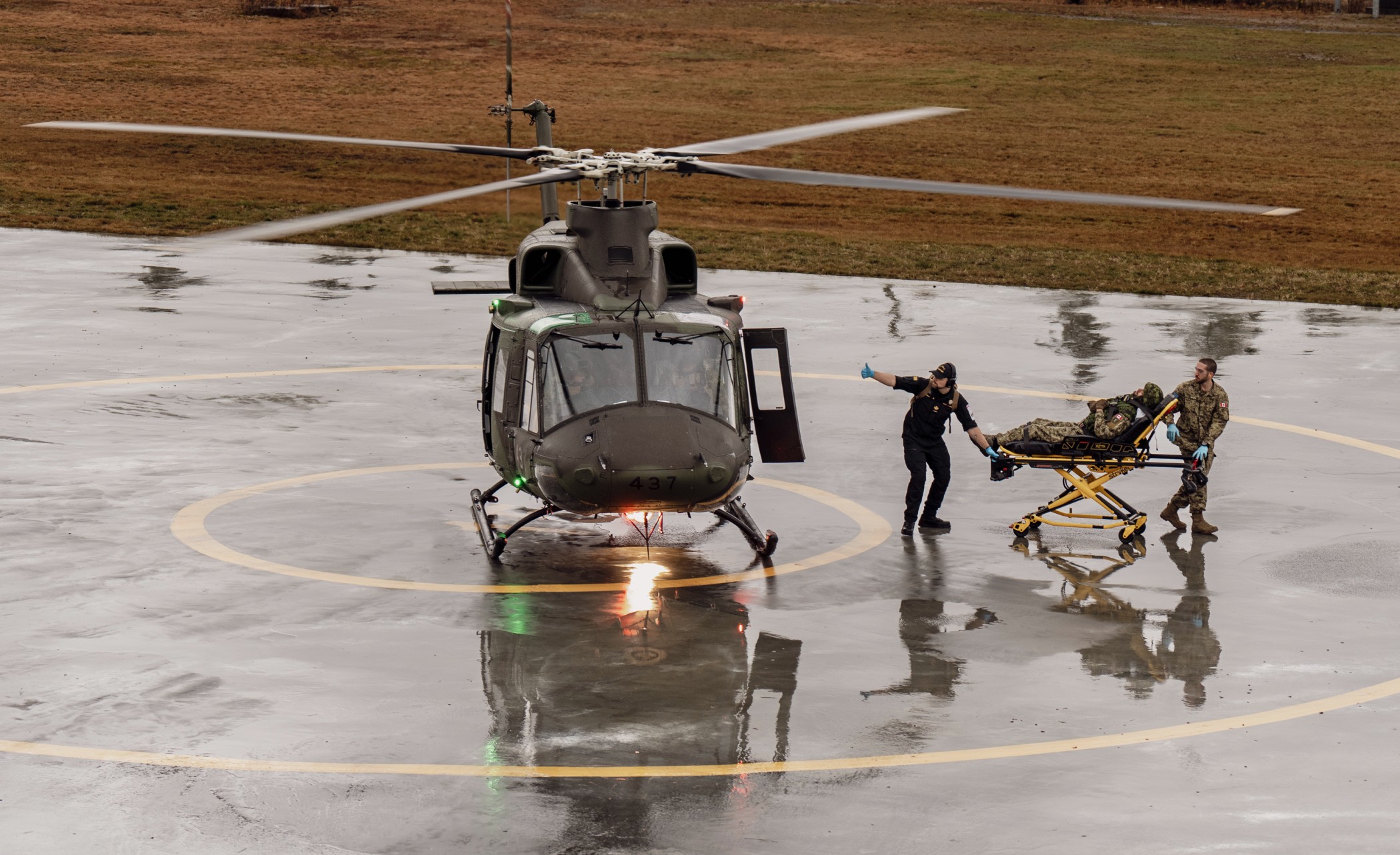
DISCOVER
THE HIGH STAKES WORLD OF A PARAMEDIC.
THE HIGH STAKES WORLD OF A PARAMEDIC.
FOR A LOOK INSIDE THE SKILL, EXPERTISE AND DEDICATION BEHIND THE OCCUPATION.
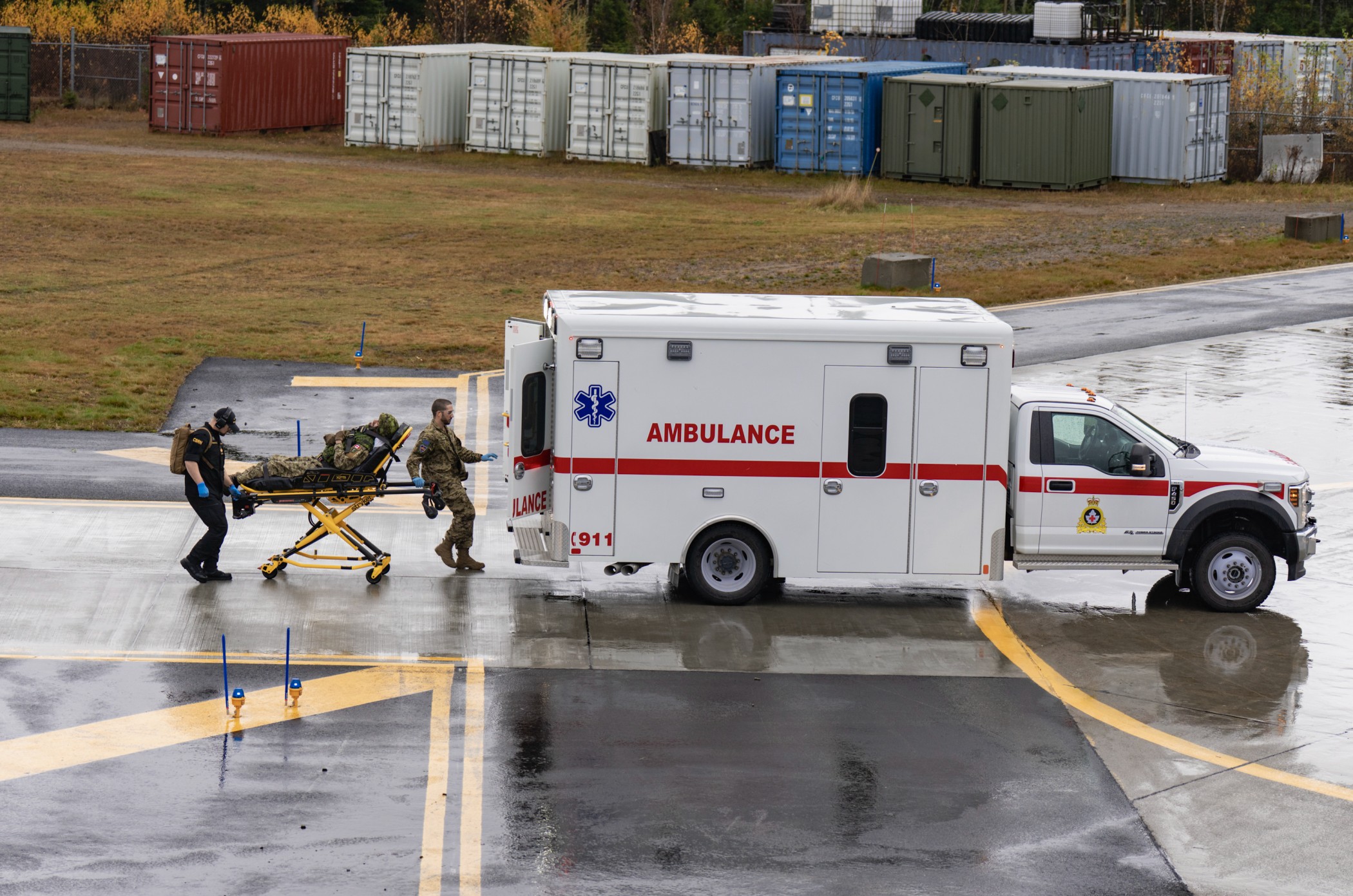
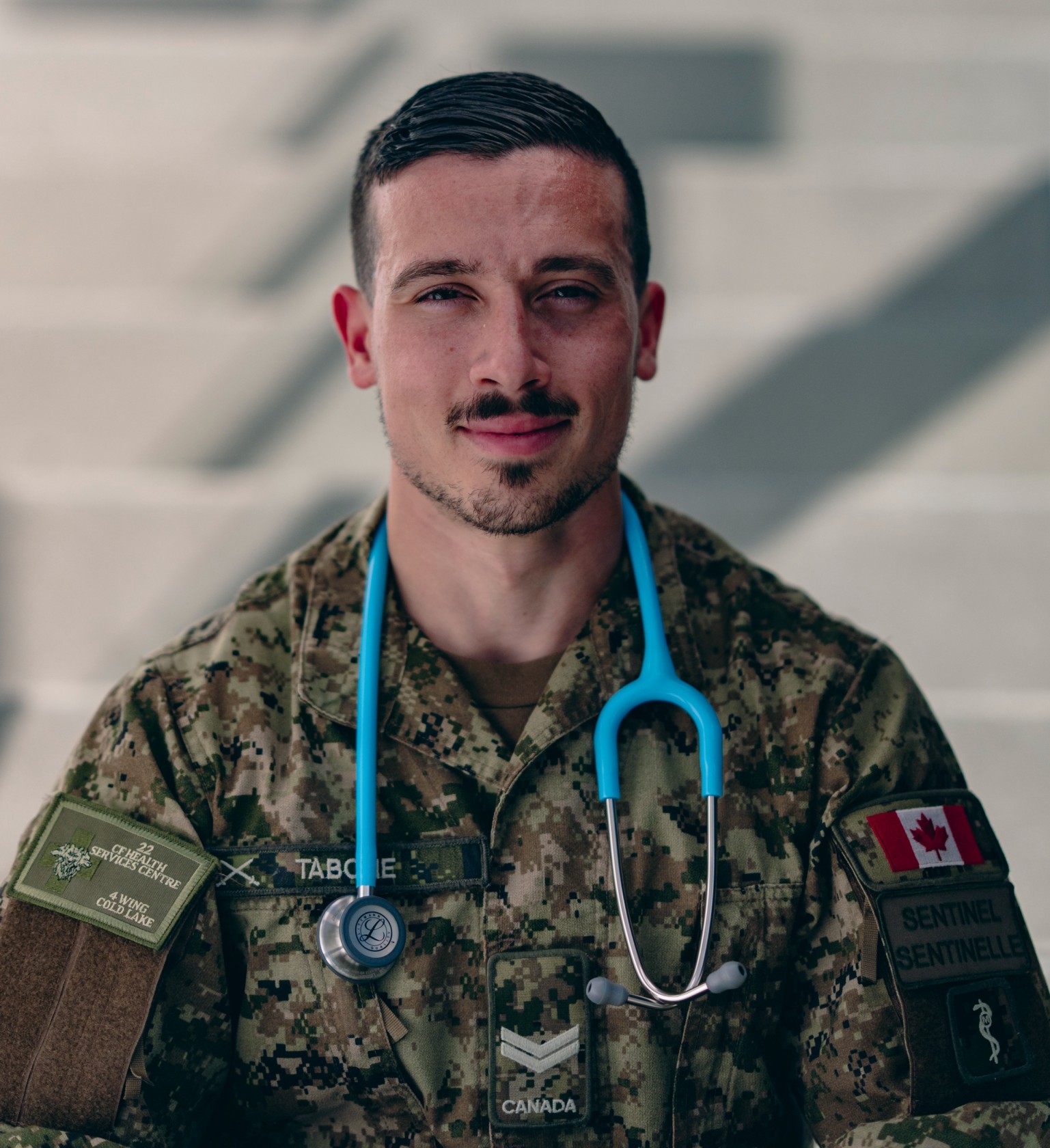
CORPORAL LUCAS TABONE AS THEY WALK YOU THROUGH A DAY IN THE LIFE.
As a member of the military, Paramedics work with a variety of health care professionals including Medical Officers, Nursing Officers, Physician Assistants and Combat Medics to treat the sick and injured in various Canadian Armed Forces' operations and units.
A Paramedic has the following primary duties:
Paramedics spend most of their careers working in Canadian Armed Forces medical units within Canada, on ships at sea, and deployed on international missions. They will also work on-car with civilian Emergency Health Services to maintain clinical competencies. In the field, overseas and on ship, they usually work in shifts and, occasionally, on call. In Clinics, they generally work regular hours.
If you choose a career in the Regular Force, upon completion of all required training, you will be assigned to your first base. While there is some flexibility with regards to postings (relocations), accommodations can’t always be made, and therefore, you can likely expect to move at some point in your career. However, if you decide to join the Primary Reserve Force, you will do so through a specific Reserve unit. Outside of training, your chosen Reserve unit will be your workplace on a part time basis, and you will not be obligated to relocate to a different base. As part of the Primary Reserve Force, you typically work one night per week and some weekends as a minimum with possibilities of full-time employment.
The first stage of training is the Basic Military Qualification course, or Basic Training, held at the Canadian Forces Leadership and Recruit School in Saint-Jean-sur-Richelieu, Quebec. This training provides the basic core skills and knowledge common to all trades. A goal of this course is to ensure that all recruits maintain the Canadian Armed Forces (CAF) physical fitness standard; as a result, the training is physically demanding
Learn more about Basic Training here.
Paramedics complete a Primary Care Paramedic program and then proceed to their basic occupation training at the Canadian Forces Health Services Training Center in Borden, Ontario. The course, which consists of three modules, is completed over 115 training days or approximately 21 weeks and includes:
Paramedics may be offered the opportunity to develop specialized skills through formal courses and on-the-job training, including training to work in specialized operational units.
To enroll as a Direct Entry, the applicant must have a certificate or diploma from an accredited Paramedic program and a current registration, license, or certification (active status) to practice as a Paramedic from a Canadian provincial or territorial regulatory authority.
Non-commissioned Member Subsidized Training and Education Plan (NCMSTEP)
Because this position requires specialty training, the CAF will pay successful recruits to attend an accredited Paramedic program at an approved Canadian college. NCMSTEP students attend basic training and on-the-job training during the summer months. They receive a full-time salary including medical and dental care, as well as vacation time with full-pay in exchange for working with the CAF for a period of time. If you choose to apply to this program, you must apply and be accepted to both the CAF and a Paramedic program at an appropriate accredited College.
For further information, please contact a Canadian Forces Health Services Recruiter: HSRecruiting-RecrutementSS@forces.gc.ca
Learn more about our Paid Education programs here.
The role of the Canadian Forces Health Services Reserves is to provide trained personnel to support, augment and sustain Canadian Forces Health Services organizations for Canadian Armed Forces operations and training activities, while building and maintaining links between the Forces and the local community.
This position is available for part-time employment with the Primary Reserve at certain locations across Canada. Reserve Force members usually serve part time with a military unit in their community and may serve while going to school or working at a civilian job. They are paid during their training. They are not posted or required to do a military move. However, they can volunteer to move to another base. They may also volunteer for deployment on a military mission within or outside Canada.
On a part time basis Paramedics take their career to new heights with the Canadian Forces Health Services Group, where they have the unique opportunity to serve alongside the Royal Canadian Navy, Canadian Army, or Royal Canadian Air Force. As a key member of the team, they support Medical Officers, Nursing Officers, Physician Assistants in providing critical care to the sick and injured, while collaborating with Combat Medics as one of the Senior Medical Authorities. Whether serving on a part-time or casual full-time basis, they gain invaluable experience in medical units across Canada, making a meaningful difference in the lives of those who serve our country.
Find a Recruiting CentreReserve Force members are trained to the same level as their Regular Force counterparts. They must be licensed to practice as a paramedic in their province. Once enrolled, they usually begin training with their home unit to ensure that they meet the required basic professional military standards. Following basic military training and further training to Soldier Qualification, Paramedics attend the Canadian Forces Health Services Training Center in Borden, Ontario to achieve the remainder of their military qualification.
Reserve Force members usually serve part-time with their home unit for scheduled evenings and weekends, although they may also serve in full-time positions at some units for fixed terms, depending on the type of work that they do. They are paid 92.8% of Regular Force rates of pay, receive a reasonable benefits package and may qualify to contribute to a pension plan.


